
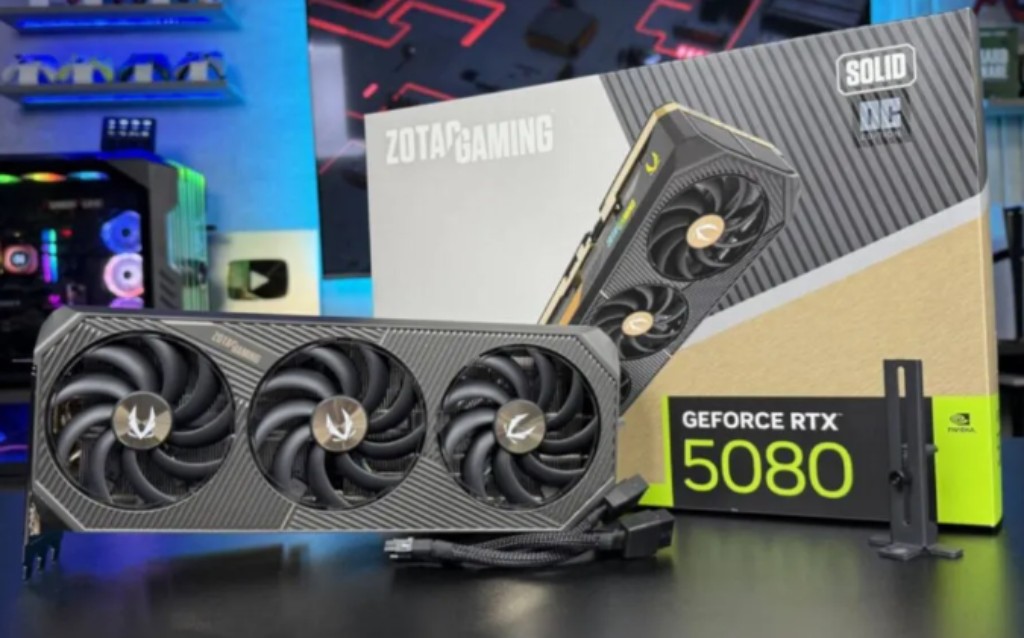
The technology market is going through a moment of caution, especially for those planning to build or upgrade a gaming or professional computer. According to recent information shared in forums linked to the supply chain, graphics card prices may increase as early as the beginning of 2026. The expectation is that AMD GPUs will see price adjustments starting in January, while NVIDIA GPUs are expected to follow in February.
This potential increase worries consumers, retailers, and system integrators, as graphics cards are among the most expensive components in a computer. To better understand the scenario, it is necessary to analyze what has been happening in the components market, especially in the memory sector.
Why could GPU prices increase?
In recent months, there has been a significant increase in prices for various types of memory. Components such as DRAM, NAND, and graphics memory have been experiencing constant price hikes due to high demand and difficulties in supplying the global market.
Until the end of 2025, graphics cards managed to maintain some price stability. However, this scenario may change quickly. The main reason lies in how contracts between chip manufacturers and board partners work.
According to information published on the Board Channels forum, which brings together professionals close to the supply chain, previously signed contracts are coming to an end. As a result, new agreements already reflect higher component costs, especially memory.
The role of AIBs in price formation
To understand this process, it is important to talk about AIBs (Add-in Board Partners). These companies, such as ASUS, Gigabyte, MSI, and Zotac, are responsible for manufacturing the graphics cards that reach the final consumer.
They use graphics chips supplied by AMD and NVIDIA and add their own cooling systems, designs, and factory overclocks. Throughout 2025, many of these partners worked under previously closed supply contracts, which helped keep prices relatively stable.
However, as these contracts are renewed, new prices begin to reflect current production chain costs. This includes the price of graphics memory, which has been steadily increasing.
When are the increases expected to happen?
According to forecasts published on Board Channels, the increase schedule should follow this order:
- AMD GPUs for AIB brands are expected to increase starting January 2026
- NVIDIA GPUs for AIB brands are expected to increase starting February 2026
The forum also notes that increases are unlikely to happen all at once. The expectation is for gradual adjustments over the first months of the year as new contracts take effect.
Although this is not an official announcement from manufacturers, Board Channels has a reliable history of leaks and predictions that later proved accurate.
Why did GPUs remain stable in 2025?
Many consumers wonder why graphics cards did not experience significant price increases in 2025, even with inflation affecting other electronic components.
The explanation lies precisely in previously signed supply contracts. These agreements ensured fixed prices for a certain period, protecting AIBs from sharp cost fluctuations.
However, contracts have an expiration date. Once they end, prices begin to reflect the current market reality, which is rising production costs.
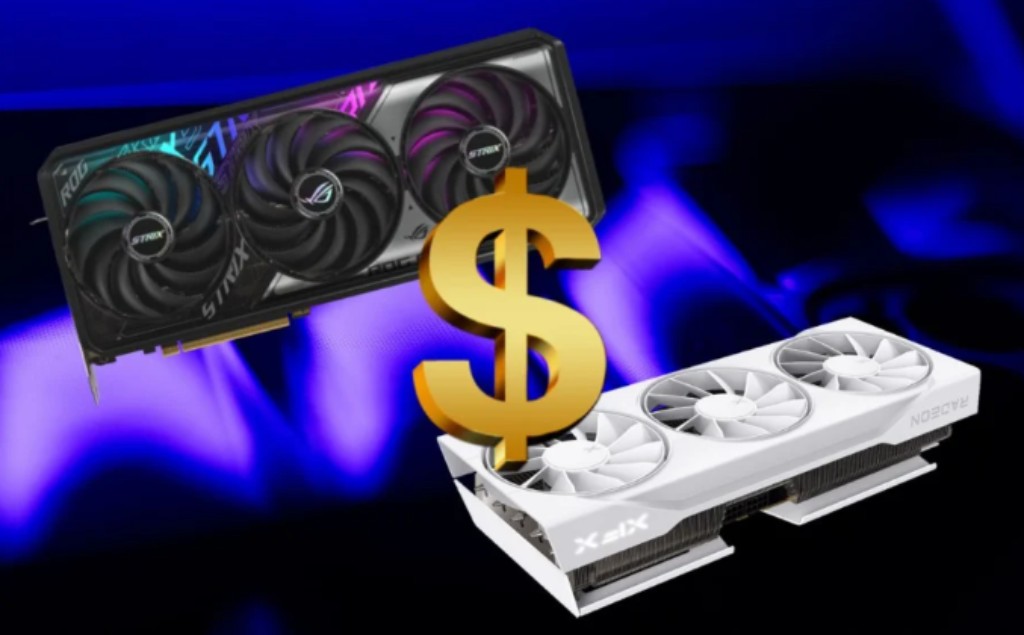 Impact of memory price increases on the GPU market
Graphics memory is one of the most important and expensive components of a graphics card. Technologies such as GDDR6 and GDDR7 are essential for ensuring high performance in games, graphical applications, and professional tasks.
With growing demand for memory across various sectors, including servers, artificial intelligence, and mobile devices, supply has struggled to keep up. This puts direct pressure on prices.
In the case of GPUs, the impact may be even greater, as each card uses multiple high-speed memory chips.
What about Intel? Will Arc GPUs also be affected?
Although rumors mainly mention AMD and NVIDIA, it is unlikely that Intel will be left out of this movement. GPUs from the Intel Arc lineup also depend on the same memory supply chains.
Even though the forum does not directly mention Intel, the overall scenario suggests that any manufacturer using graphics memory will be subject to cost increases. Therefore, it is reasonable to expect some impact on Arc GPU prices as well.
The difference may lie in Intel’s market strategy, as the company is still seeking to gain market share and may choose to absorb part of the costs to remain competitive.
What changes for consumers?
For those planning to build or upgrade a PC, this is a moment that requires attention. If the increases are confirmed, graphics cards may become more expensive at the start of 2026.
In practice, this means that buying a GPU in 2025 may be a good strategy to avoid price hikes. On the other hand, those waiting for future releases need to consider that launch prices may already be higher.
Additionally, the price difference between models with GDDR6 and GDDR7 may become more significant, both in performance and cost.
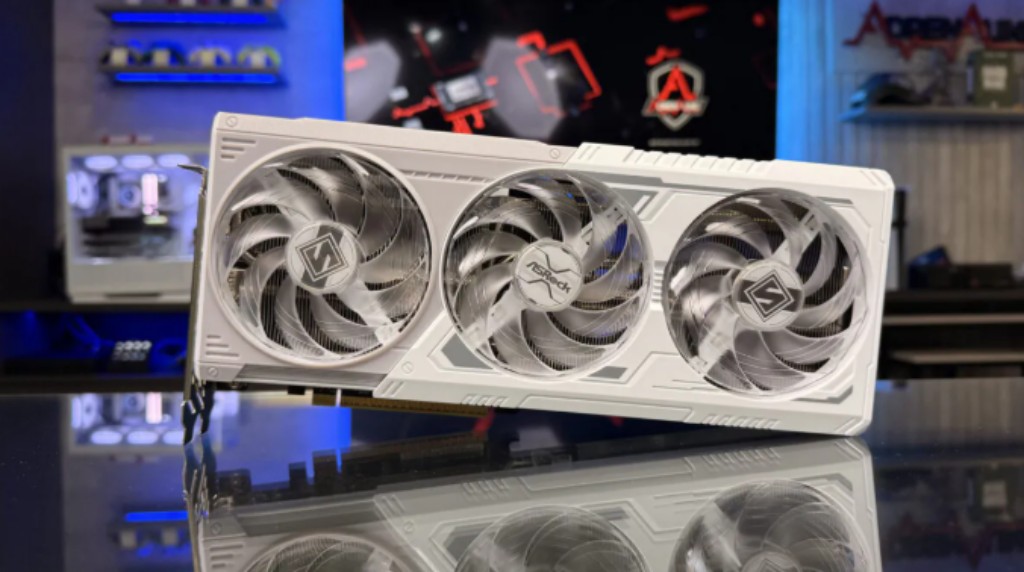 Practical market experience
From the perspective of those who have followed the hardware market for years, this type of movement is nothing new. Whenever there is pressure on the supply chain, prices take some time to react, but they eventually rise.
In previous cycles, those who acted early managed to save money, while those who waited too long ended up paying more for the same product.
Additionally, retailers tend to pass on increases gradually, which can lead to significant price differences between brands and models.
Is it better to wait or buy now?
There is no single answer for everyone. Everything depends on your needs, budget, and usage expectations.
If you need a GPU now, current prices still reflect older contracts and may be more advantageous. If you can wait, it is important to closely monitor the market and be prepared for possible adjustments.
The most important thing is to stay well informed to make a conscious decision.
Conclusion
Rumors about price increases for AMD and NVIDIA GPUs in 2026 make sense within the current context of the components market. Rising memory prices, the end of old contracts, and strong global demand create a favorable scenario for adjustments.
Although there is still no official confirmation from manufacturers, the forecast of increases in January for AMD and February for NVIDIA deserves attention. Intel, even though not directly mentioned, may also be affected.
For consumers and enthusiasts, the best approach is to follow market movements, evaluate the timing of purchases, and prepare for a higher-price scenario in early 2026.
Need support or want more details? Contact us via WhatsApp!